



























































- Home
- Electromagnets
Electromagnets
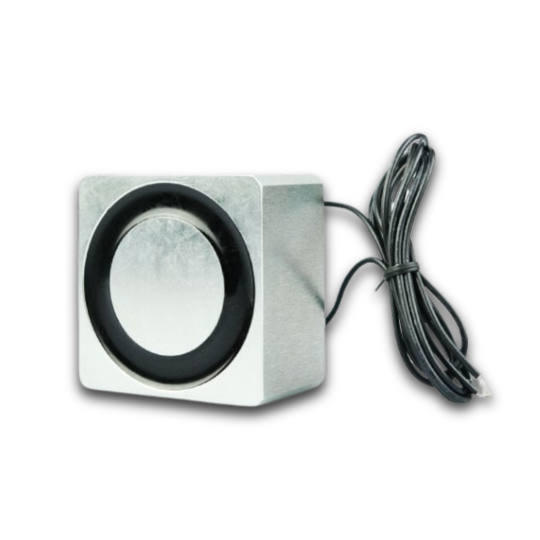
(49 Products)Electromagnets utilise electricity to provide a strong magnetic hold in both manual and automated holding and handling applications. The magnetic field is generated once an electrical current is applied, providing you with an instant, yet controlled, magnetic attraction and release of ferrous items.
For more information on our electromagnets range, or to keep the data to hand, please view our electromagnets brochure.

Electromagnets
How Electromagnets Work
An electromagnet works by passing an electric current through a coil of wire, usually copper. This current creates a magnetic field around the coil. When the coil is wrapped around a metal core, typically iron, the magnetic field is concentrated and strengthened.
Key components of an electromagnet include:
Coil: carries the electric currentCore: usually iron or steel to increase magnetic strength
Power supply: controls when the magnet is activated
The main advantage of an electromagnet is control. Because the magnetic field depends on electrical current, the magnetism can be turned on and off as needed.
Voltage Comparison
Choosing the right voltage depends on your application, available power supply, required pull force, and how the magnetwill be used in practice. The guide below compares common electromagnet voltage options.
| Voltage | Typical Applications | Typical Pull Forces | Recommended Products |
|---|---|---|---|
| 12V | Access control, cabinets, lockers, hobby projects, small automation systems | Low to medium pull force | EM633831M5 |
| 24V | Industrial automation, conveyors, robotics, machinery, manufacturing systems | Medium to high pull force | EM200815M3 EM3530M6ETR |
| 110V | Heavy-duty industrial systems, mains-powered equipment, high-force holding applications | High pull force | EM20310163M10 |
In many commercial and industrial applications, 12V and 24V electromagnets offer the best balance of safety, performance, and compatibility with control systems. Where direct mains operation is required, 110V options may be more suitable.
Electromagnets for Access Control
Electromagnets are widely used in access control systems, particularly in magnetic door locks. In these applications, the magnet creates a secure holding force when energised and releases when access is granted or power is removed, depending on the system design.
Typical access control uses include:
- Office and commercial door entry systemsFor access control, 12V and 24V electromagnets are commonly used due to their compatibility with standard security and building management systems.
Electromagnets for Automation
In automation, electromagnets provide fast and reliable magnetic holding or release, making them useful for processes thatrequire precision and repeatability. They can be integrated into machinery and production systems where automated control is essential.
Typical automation uses include:
- Conveyor and sorting systems- Pick-and-place equipment
- Robotics and actuator systems
- Part separation and positioning
24V electromagnets are particularly common in automation because they are well suited to industrial control environments and can deliver strong, dependable performance.
Electromagnets for Education
Electromagnets are also popular in education because they clearly demonstrate the relationship between electricity and magnetism.They are ideal for school science experiments, STEM projects, and classroom demonstrations.
Typical educational uses include:
- Physics and engineering demonstrations- DIY electromagnet experiments
- STEM learning activities
- Model-building and small prototype projects
Lower-voltage electromagnets are generally the most suitable choice for education because they are easier to integrate intosafe classroom and workshop setups.
Energise-to-Hold vs Energise-to-Release
When selecting an electromagnet, it is important to understand whether you need an energise-to-hold or energise-to-release design. These terms describe how the magnet behaves when power is applied.
Energise-to-Hold | Energise-to-Release |
An energise-to-hold electromagnet becomes magnetic when power is applied and releases when power is removed.This type is commonly used in magnetic door locks and other fail-safe systems.
| An energise-to-release electromagnet works in the opposite way. It remains in its holding state until power is applied, at which point it releases. This is often used where fail-secure behaviour is preferred.
|
Frequently Asked Questions
What is the difference between an electromagnet and a permanent magnet?
An electromagnet only produces a magnetic field when electricity flows through it, while a permanent magnet produces a constant magnetic field without needing power. Electromagnets are better for applications where the magnetic force needs to be controlled. If you are comparing options, browse our permanent magnets range.
What voltage electromagnet do I need?
The right voltage depends on your application and power source. 12V electromagnets are often used for access control, small projects, and general low-voltage systems. 24V electromagnets are common in industrial automation and machinery. 110V electromagnets are usually chosen for heavy-duty mains-powered applications.
How do electromagnets work in speakers?
In a speaker, an electrical audio signal passes through a coil, creating a changing magnetic field. This interacts with a permanent magnet and causes movement in the speaker cone, which produces sound. For a more detailed explanation, read our blog on electromagnets in speakers.
What is an energise-to-release electromagnet?
An energise-to-release electromagnet is designed so that power causes the mechanism to release rather than hold. It is commonly used in applications where a secure holding state is required until a release signal is applied.
Can electromagnets be used for access control?
Yes, electromagnets are widely used in access control systems, especially in magnetic door locks for offices, commercial buildings, and controlled entry points. They are valued for their reliability, fast response, and compatibility with electronic security systems. Our range of electro door magnets are designed for this purpose.
What pull force electromagnet do I need?
The pull force you need depends on the object being held, the mounting conditions, and the safety factor required. In general, it is a good idea to select an electromagnet rated above the minimum holding force your application needs, especially if there is vibration, movement, or imperfect contact between surfaces.
Explore More Magnet Types and Materials
If you are still deciding which magnetic solution is right for your application, you can browse our permanent magnets range or learn more about different magnetic materials to compare properties, performance, and suitability for different uses.