











































Magnet Grades: Neodymium, Samarium Cobalt, Ferrite, and Alnico Magnets
Magnets serve a critical role in numerous applications across various industries. The performance of magnets is intricately tied to their grades, which denote their quality and strength. In this article, we will delve into the differences of of Neodymium, Samarium Cobalt, Ferrite, and Alnico magnets, we will also take a look at their grading systems and how they compare.
Key Differences Between Neodymium, Samarium Cobalt, Ferrite, and Alnico Magnets:
| Neodymium (NdFeB) Magnets | Ferrite Magnets | Samarium Cobalt (SmCo) Magnets | Alnico Magnets | |
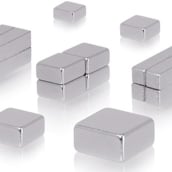
| Magnetic Strength | Neodymium magnets exhibit the highest magnetic strength among commonly used magnets, with grades ranging from N35 to N52. | Ferrite magnets have lower magnetic strength compared to Neodymium and Samarium Cobalt magnets. | Samarium Cobalt magnets have high magnetic strength, with grades ranging from Sm1Co5 to Sm2Co17. | Alnico magnets have moderate magnetic strength compared to Neodymium and Samarium Cobalt magnets. |
| Temperature Stability | They have moderate temperature stability, but care must be taken as their magnetic properties can degrade at elevated temperatures. | They have good temperature stability and can operate in a wide range of temperatures. | They exhibit excellent temperature stability and retain their magnetic properties at high temperatures. | They exhibit excellent temperature stability and can maintain their magnetic properties at high temperatures. |
| Corrosion Resistance | Neodymium magnets are prone to corrosion and often require protective coatings such as nickel or epoxy. | Ferrite magnets are highly resistant to corrosion, making them suitable for outdoor and marine applications. | Samarium Cobalt magnets offer good corrosion resistance, making them suitable for applications in harsh environments. | Alnico magnets are corrosion-resistant, but they may still require protective coatings in certain applications. |
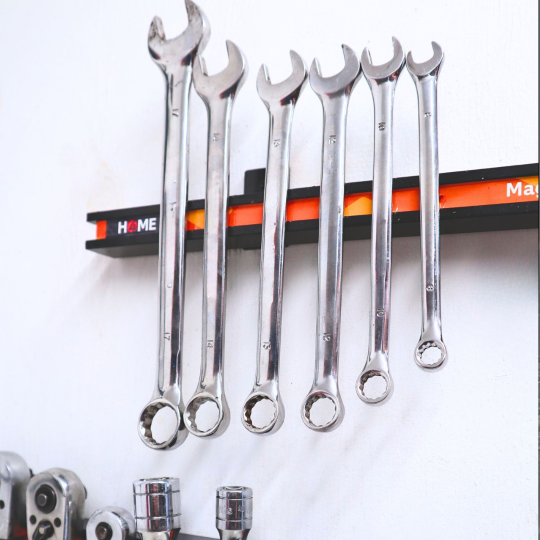
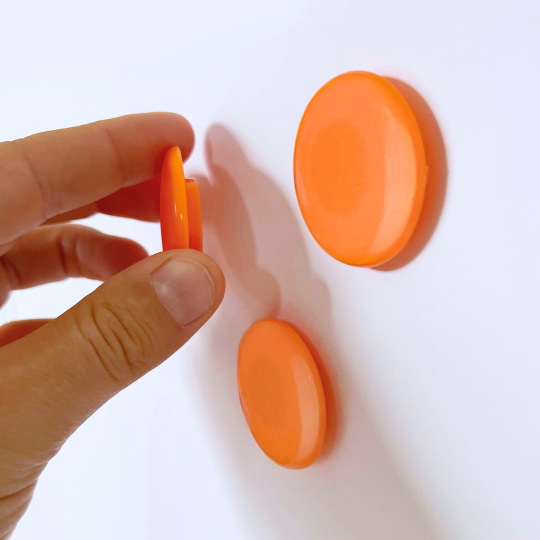
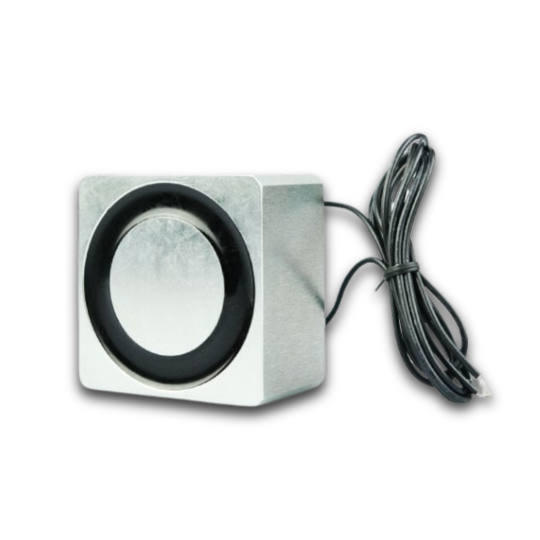
| Applications | Widely used in applications requiring strong magnetic fields, such as electric motors, headphones, and magnetic closures. | Found in speakers, refrigerator magnets, and various consumer electronics due to their cost-effectiveness. | Commonly used in aerospace, automotive, and high-temperature industrial applications. | Used in sensors, electric motors, and guitar pickups due to their strong magnetic fields and temperature stability. |
The choice of magnet material depends on specific application requirements, considering factors such as magnetic strength, temperature stability, corrosion resistance, and cost. Each type of magnet offers unique properties that make it suitable for particular uses across diverse industries.




Grading Systems of Neodymium, Samarium Cobalt, Ferrite, and Alnico Magnets:
| Neodymium (NdFeB) Magnets | Ferrite Magnets | Samarium Cobalt (SmCo) Magnets | Alnico Magnets |
| Neodymium magnets use a grading system denoted by the letter 'N' followed by a number (e.g., N35, N52). The number represents the maximum energy product of the magnet, indicating its magnetic strength. A higher number corresponds to a stronger magnet. | Ferrite magnets typically do not use a standardized grading system like Neodymium or Samarium Cobalt magnets. Instead, they are often classified based on their chemical composition and manufacturing process. For example, common grades include Strontium Ferrite and Barium Ferrite. | Samarium Cobalt magnets use a grading system denoted by the letters 'Sm' followed by numbers (e.g., Sm1Co5, Sm2Co17). The first number represents the approximate percentage of samarium content, while the second number indicates the approximate percentage of cobalt. Higher numbers denote stronger magnetic properties. | Alnico magnets are classified using a system that includes the letters 'Al' followed by a number and one or more letters (e.g., Alnico 2, Alnico 5). The number represents the magnetic energy product, while the letters may indicate additional properties. Higher numbers generally indicate higher magnetic strength. |
- Neodymium and Samarium Cobalt: Both use a numerical grading system, with higher numbers indicating stronger magnetic properties. Neodymium uses 'N' followed by a number, while Samarium Cobalt uses 'Sm' followed by numbers representing the content of samarium and cobalt.
- Ferrite: Ferrite magnets lack a standardized numerical grading system. They are often identified by their chemical composition and manufacturing process, such as Strontium Ferrite or Barium Ferrite.
- Alnico: Alnico magnets use a system denoted by 'Al' followed by a number and letters. The number represents the magnetic energy product, and the letters may convey additional information about the magnet's properties.
While Neodymium and Samarium Cobalt share a numerical grading system, Ferrite magnets lack a standardized system, and Alnico magnets use a distinct alphanumeric classification. Each grading system provides unique insights into the composition and magnetic properties of the respective magnet materials.