





































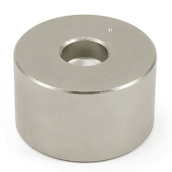





Magnet Manufacturing Process Flow
HOW MAGNETS ARE CREATED
The magnet manufacturing process takes approximately 4-6 weeks* from start to finish, undergoing a number of steps to ensure our customers are provided with the best quality magnets possible. We are experts in every step of the process, from mining all the way to your application. Take a look at the page to learn what stages your magnet will go through or even download our infographic!
*(Please note times are given as approximations and all orders can vary.)
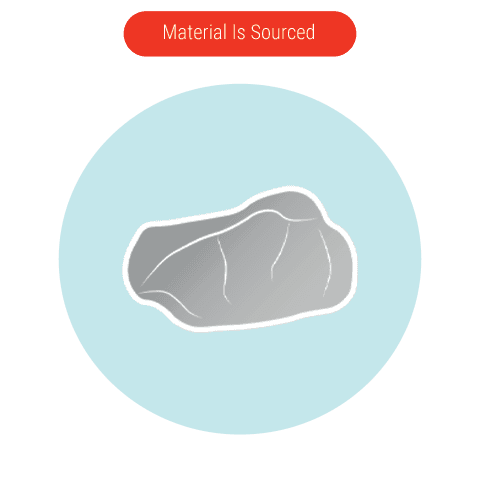
1. Mining
The manufacturing process begins with the mining of the raw materials required to produce rare earth magnets.
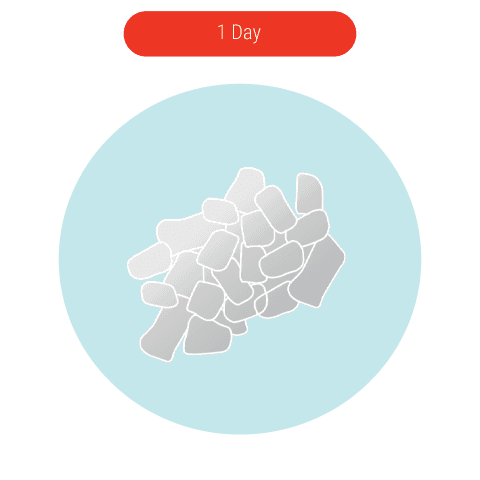
2. Strip Casting
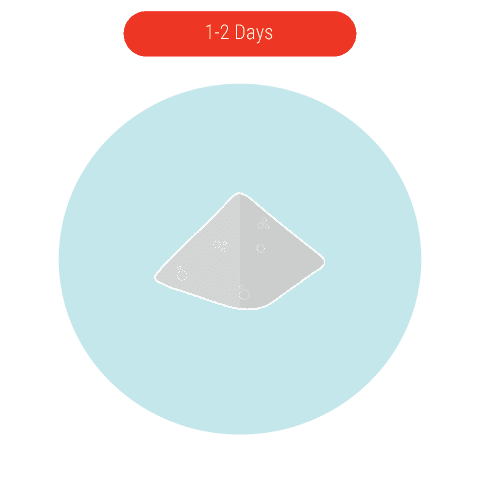
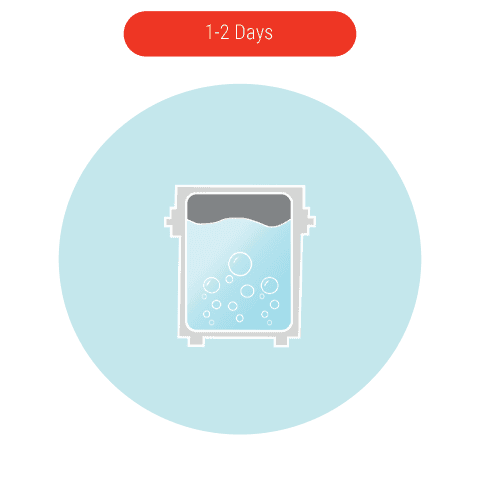
Strip casting is a rapid processing technique in which the molten material is poured into a shell mould or larger green sand moulds. As the molten metal cools, the shell moulds and starts to burn and by the time the magnet is cold,
the shell is almost disintegrated.
3. HDDR
The hydrogenation disproportionation desorption recombination (HDDR) process is the means of producing bonded magnets from used NdFeB-type sintered magnets with compositions.
4. Milling
After the liquid alloy has been poured and cooled with water it will be broken down and milled to produce tiny particles.


5. Pressed
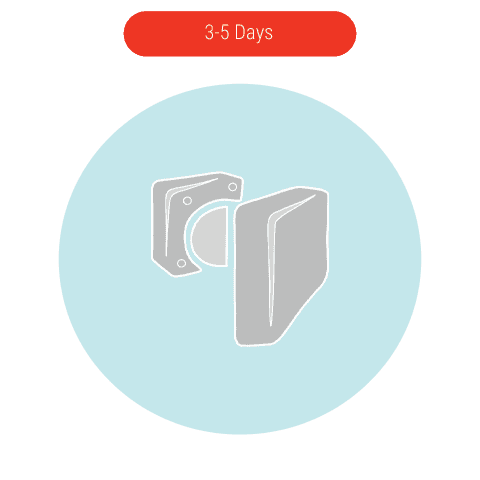
The super-fine powder will then be pressed in a mould while simultaneously the magnetic energy is applied to the mould. This is done through the use of a coil wire which acts as a magnet when an electrical current is passed through. As the mixture is pressed the magnetism is locked in.
6. Sintering
Once the powder has been pressed it can then be sintered in a furnace in a hydrogen atmosphere at over 1200°C. This process fuses all the pressed
particles together to form one magnet.
7. Performance Testing
There are several measurements that all contribute to a magnet’s strength in different ways whether this be its pulling force or magnetic field strength. Each of these factors will have to be tested and measured, you can see how each of these tests are carried out here.
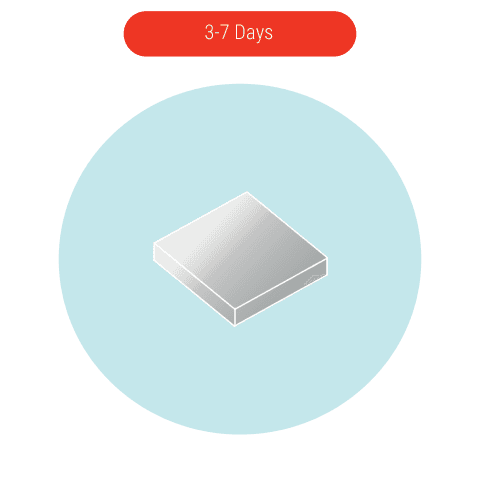

8. Machining
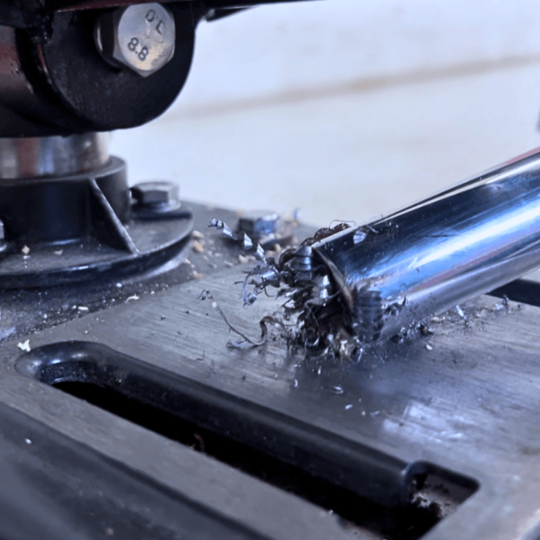
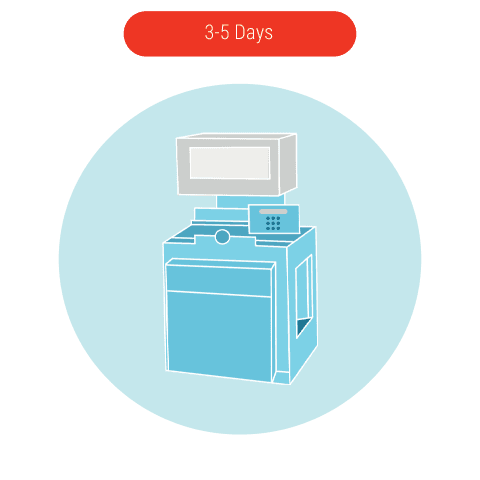
This stage is where the raw magnets are machined into their desired shape, however, due to some magnets’ strength this requires a diamond-plated
cutting tool.
9. Surface Treatment
The last step before remagnetising is vital because certain magnets are prone to breaking and chipping - they must be coated, cleaned, dried, and plated. Our most common is a nickel-copper-nickel mixture, but our magnets can also be coated in other metals, PTFE, or even rubber.
10. Magnetised
Once plated, the finished material is then remagnetised - this will mean placing it inside a coil which when electric current is passed through, produces a magnetic field three times stronger than the required strength of the magnet.
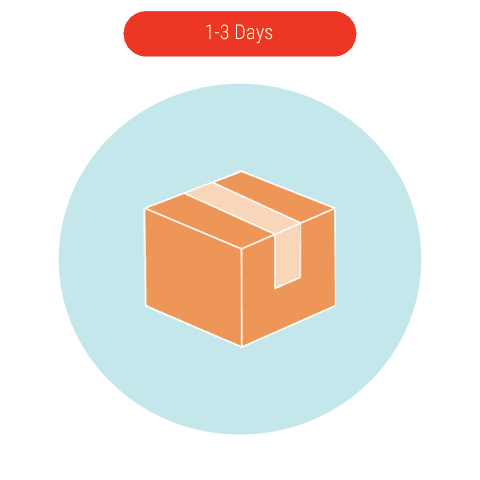
11. Packing
The final stage of the process is when our team of experts carefully picks and packs the magnets in the correct fashion so they can be shipped safely and arrive in a perfect condition to our customers to be used in thousands of different scenarios and applications all over the globe.
Please note, manufacturing times can vary per magnet.
Want a downloadable PDF Infographic of this information? Click the link below.